FDA Adds Vision Loss Warning to All GLP-1 Drugs, Including Ozempic, Wegovy and Mounjaro
Our content is developed and backed by respected legal, medical and scientific experts. More than 30 contributors, including product liability attorneys and board-certified physicians, have reviewed our website to ensure it’s medically sound and legally accurate.
legal help when you need it most.
Drugwatch has provided people injured by harmful drugs and devices with reliable answers and experienced legal help since 2009. Brought to you by The Wilson Firm LLP, we've pursued justice for more than 20,000 families and secured $324 million in settlements and verdicts against negligent manufacturers.
More than 30 contributors, including mass tort attorneys and board-certified doctors, have reviewed our website and added their unique perspectives to ensure you get the most updated and highest quality information.
Drugwatch.com is AACI-certified as a trusted medical content website and is produced by lawyers, a patient advocate and award-winning journalists whose affiliations include the American Bar Association and the American Medical Writers Association.
About Drugwatch.com
- 17 Years of Advocacy
- $324 Million Recovered for Clients
- 20,000 Families Helped
- A+ BBB Rating
- 4.9 Stars from Google Reviews
Testimonials
I found Drugwatch to be very helpful with finding the right lawyers. We had the opportunity to share our story as well, so that more people can be aware of NEC. We are forever grateful for them.


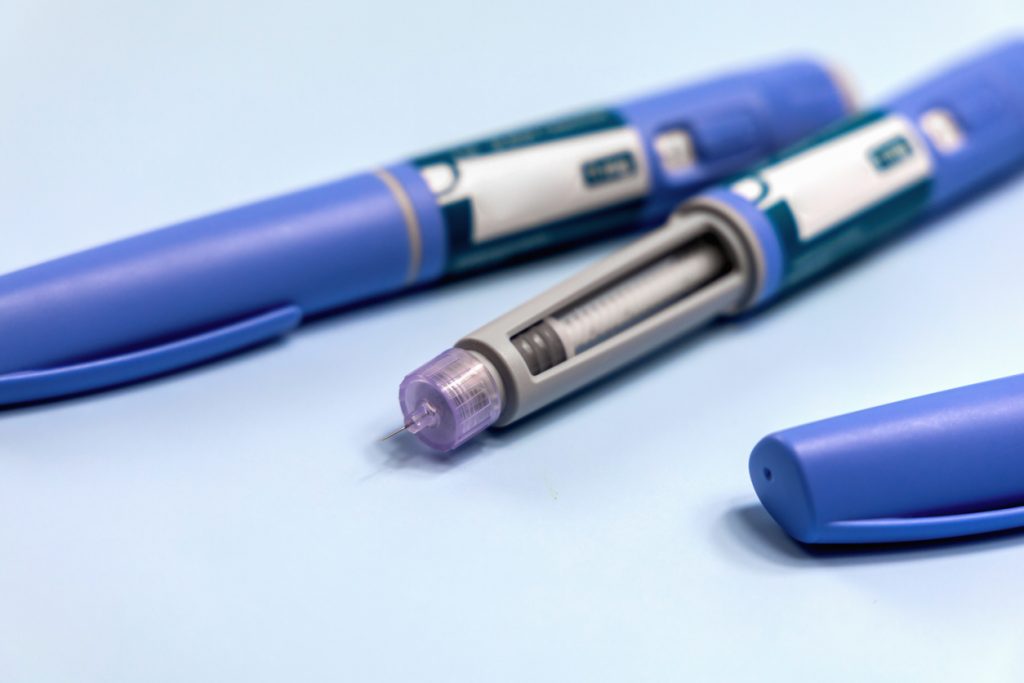
The U.S. Food and Drug Administration now requires all GLP-1 medications, such as Ozempic, Wegovy, Mounjaro and Zepbound, to include a warning about a rare eye condition that may cause permanent vision loss. The agency shared this update in a Drug Safety Communication on Nov. 9.
Non-arteritic anterior ischemic optic neuropathy (NAION) may happen when blood flow to the front of the optic nerve decreases. This usually leads to sudden, painless vision loss in one eye, and the damage is usually permanent.
The FDA now requires drugmakers to add details about the possible increased risk of NAION to the Warnings and Precautions section of their product labels. The agency said that NAION cases have been reported with every GLP-1 drug currently available.
Whitney Di Bona, attorney and consumer advocate at Drugwatch, called the decision a victory for informed consent — something she says is “the foundation of patient safety.”
“Patients deserve to know and understand the risks of any medication before deciding to take it, and this label change moves us closer to that standard,” she said. “Anyone starting a GLP-1 from here on out will have information that earlier patients never got.”
What the FDA Found
The FDA began investigating this issue after a July 2024 study in JAMA Ophthalmology linked semaglutide, the active ingredient in Ozempic and Wegovy, to NAION. The agency pointed out some limitations in the study but said the results deserved more attention.
The FDA reviewed 126 studies involving over 134,000 people. NAION was not common, but it happened more often in people who took GLP-1 medications. There were about 6 cases per 100,000 people each year for those on GLP-1 drugs, and about 4 cases per 100,000 people for those taking a placebo or another diabetes medicine.
Another FDA study looked at real-world insurance data. It found that people taking GLP-1 drugs had a higher chance of developing NAION than those taking a different diabetes medicine called DPP-4 inhibitors. But there was no significant increase in risk when comparing GLP-1 drugs to another group called SGLT-2 inhibitors.
Other studies also showed a higher risk for people on GLP-1 drugs.





Which Drugs Are Affected
Every GLP-1 drug sold in the United States must add a warning about the risk of NAION in its “Warnings and Precautions” label section.
Impacted GLP-1 Drugs Include:
- Ozempic
- Wegovy
- Mounjaro
- Trulicity
- Saxenda
- Victoza
Other affected GLP-1s are Foundayo, Rybelsus, Soliqua, Xultophy and Zepbound. It also applies to generic exenatide, which has been available since Byetta was withdrawn from the market for reasons other than safety or effectiveness.
This change makes U.S. labeling more similar to Europe’s. The European Medicines Agency listed NAION as a very rare side effect of semaglutide in 2025.
What Patients Should Do
The FDA advises patients to contact a health care provider immediately if they notice sudden vision loss in one eye, especially upon waking. Other warning signs include blind spots, tunnel vision, color changes or blurry areas in the center of your vision.
Patients who have already experienced NAION should discuss with their doctor whether to keep taking their GLP-1 medication. If someone has had NAION in one eye, they are at higher risk of developing it in the other eye.
The agency recommends that doctors quickly refer patients with suspected NAION to an ophthalmologist. Providers should also consider stopping the GLP-1 drug unless the benefits clearly outweigh the risks.
Patients and health care providers can report side effects from GLP-1 medications to the FDA’s MedWatch program.
Impact on Ozempic Blindness Lawsuits
The FDA action may also affect people filing lawsuits after taking Ozempic or other GLP-1 medications and developing NAION. These lawsuits often allege manufacturers failed to warn about the risk.
“Now that the FDA is requiring a warning on the label, patients who start these drugs in the future will have that information, which will likely make claims more difficult for them,” Di Bona said. “But it does not change what patients experienced before the warning existed.”
Di Bona said people who suffered NAION after taking any GLP-1 should speak with an attorney quickly to find out what their legal options are.
